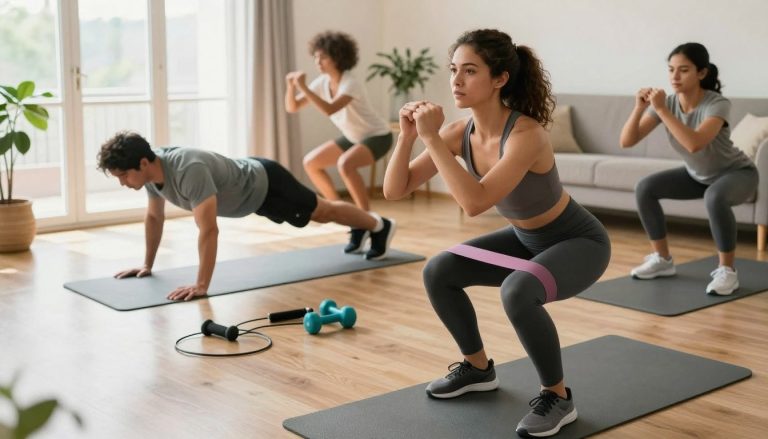
Low-Impact Home Workouts for Weight Loss You Can Start Now
Starting a fitness journey often feels overwhelming, especially when you think you need intense jumping or expensive gym gear. The case of Low-Impact Home Workouts for Weight Loss many people believe that burning calories requires punishing their joints, but that is simply not true. You can achieve your health goals through gentle, controlled movements right in your living room.
Choosing Low-Impact Home Workouts for Weight Loss allows you to build a sustainable routine that respects your body. These routines provide an effective alternative to high-intensity training by reducing unnecessary strain. You will find that consistency matters far more than intensity when you want to see real, lasting changes in your physical well-being.
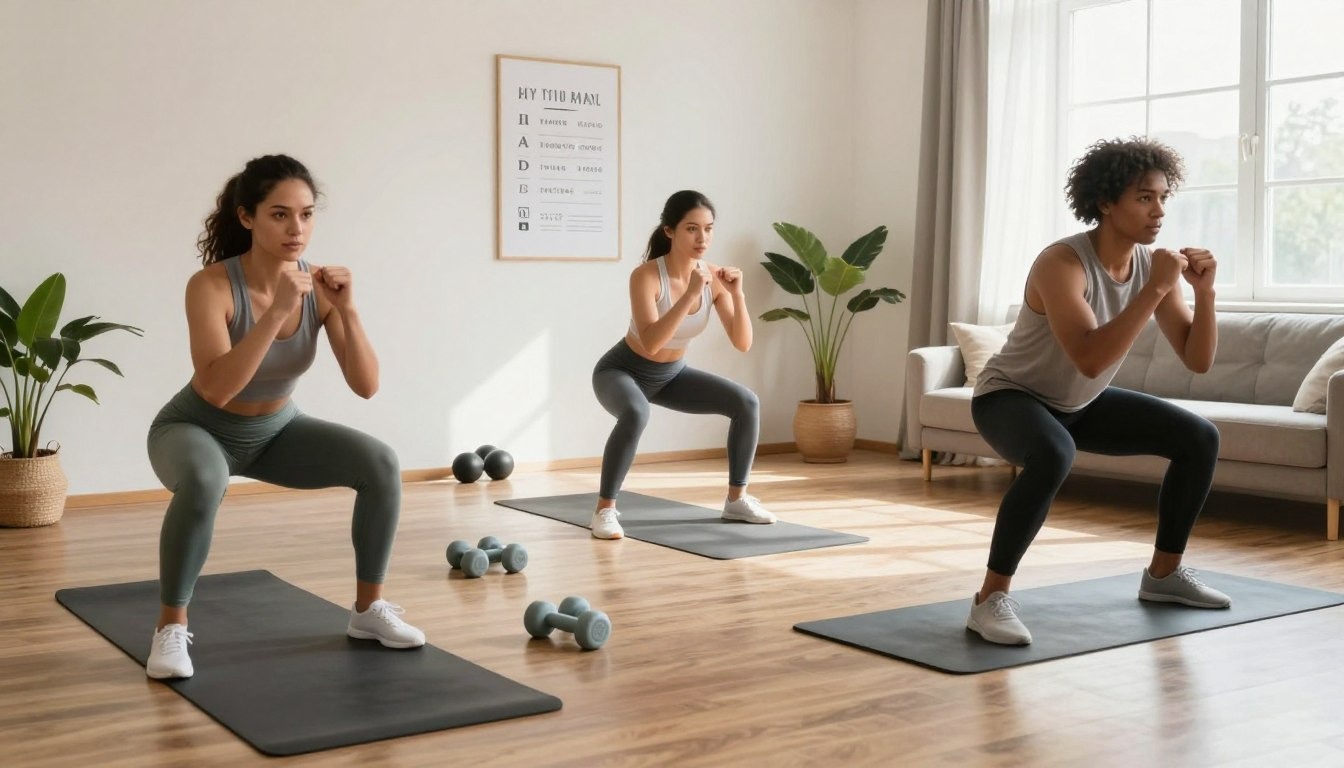
Low-Impact Home Workouts for Weight Loss
By focusing on steady, deliberate exercises, you create a solid foundation for long-term success. You do not need a fancy membership to improve your health. Instead, you can start today with simple, effective habits that fit perfectly into your daily schedule.
Key Takeaways
- Low-impact training is a sustainable way to reach your fitness goals.
- You can perform these routines effectively in your own living room.
- These exercises protect your joints while still burning calories.
- Consistency is more important than high-intensity movement for long-term results.
- Expensive gym memberships are not required to improve your physical health.
Understanding the Benefits of Low-Impact Exercise
Many people believe that to lose weight, you must push your body to the point of exhaustion. This common misconception often leads beginners to choose routines that are too difficult to maintain long-term. In reality, consistency is the true key to seeing lasting changes in your body composition.
Why Low-Impact Does Not Mean Low-Intensity
It is a mistake to assume that gentle cardio workouts lack the power to burn significant calories. By focusing on controlled, rhythmic movements, you can keep your heart rate in the optimal fat-burning zone for longer periods. This approach allows you to work hard without the unnecessary strain of high-impact jumping or pounding.
When you maintain a steady pace, your body continues to expend energy efficiently throughout the entire session. You are essentially teaching your metabolism to stay active while keeping your stress levels low. This sustainable intensity is what separates a quick fix from a healthy lifestyle change.
Protecting Your Joints While Burning Calories
One of the greatest advantages of choosing joint-friendly exercise is the ability to train without the fear of overuse injuries. High-impact activities often put excessive pressure on your knees, ankles, and hips, which can lead to painful setbacks. By opting for low-impact movements, you protect your skeletal system while still achieving your fitness goals.
Prioritizing your long-term health means selecting routines that you can perform day after day. When you avoid injury, you stay on track with your progress and build lasting strength. Embracing these gentle cardio workouts ensures that your journey toward weight loss remains both effective and enjoyable for years to come.
Preparing Your Home Space for Effective Workouts
Transforming a corner of your home into a fitness sanctuary makes consistency much easier to achieve. When you have a specific area designated for your home fitness routine, you remove the mental friction that often prevents a workout from happening. This simple act turns your living space into a place of growth and health.
Essential Equipment for Beginners
You do not need expensive machines to get a great workout. Investing in a few pieces of versatile home workout equipment can significantly enhance your results without breaking the bank. Focus on items that support joint-friendly exercise and provide enough variety to keep your sessions interesting.
- Yoga Mat: Provides essential cushioning for floor work.
- Resistance Bands: Lightweight tools for building muscle safely.
- Stability Ball: Perfect for core engagement and balance.
- Light Dumbbells: Useful for adding gentle resistance to movements.
| Equipment | Primary Benefit | Best For |
| Yoga Mat | Joint Protection | Floor Exercises |
| Resistance Bands | Muscle Toning | Strength Training |
| Stability Ball | Core Stability | Balance Work |
Creating a Safe and Motivating Environment
Safety is the foundation of any sustainable home fitness routine. Clear away any clutter, such as loose rugs or furniture corners, to ensure you have enough room to move freely. A clean, open space allows you to focus entirely on your form and breathing.
To boost your motivation, try adding visual cues that inspire you to move. This might include keeping your home workout equipment visible or placing a mirror nearby to check your posture during joint-friendly exercise. When your environment feels welcoming, you are much more likely to show up for yourself every single day.
The Science of Weight Loss Through Consistent Movement
Achieving your health goals relies more on the science of movement than on sheer willpower. When you focus on how your body burns energy, you can create a plan that supports sustainable weight loss without burnout. Understanding these physiological mechanisms allows you to work with your body rather than against it.
Metabolic Rate and Daily Activity
Your basal metabolic rate (BMR) represents the energy your body needs to function at rest. However, your total daily energy expenditure includes the movement you perform throughout the day. This is often referred to as non-exercise activity thermogenesis, or NEAT.
By keeping your body in motion, you naturally boost your metabolic health. Small, frequent movements throughout the day keep your energy levels steady. This approach prevents the common “crash” associated with sedentary periods followed by intense, sporadic exercise.
The Role of Consistency Over Intensity
Many people believe that only high-intensity workouts lead to results. In reality, consistent exercise habits are far more effective for long-term success. When you move consistently, you maintain a reliable caloric deficit that is easier for your body to manage.
Sporadic, intense sessions can sometimes lead to fatigue or injury, which disrupts your progress. By choosing steady, low-impact movement, you ensure that your body remains active without excessive strain. This consistency is the secret to maintaining your results over time.
| Feature | Sporadic High-Intensity | Consistent Low-Impact |
| Energy Burn | High but short-lived | Moderate and sustained |
| Recovery Time | Longer periods needed | Minimal recovery required |
| Sustainability | Difficult to maintain | Easy to integrate daily |
| Metabolic Impact | Fluctuating | Stable and improved |
Low-Impact Home Workouts for Weight Loss Strategies
You can transform your body through strategic, low-impact home workouts for weight loss. By focusing on controlled movements, you can burn calories effectively without putting unnecessary stress on your joints. Success comes from choosing the right intensity and staying consistent with your daily schedule.
Integrating Steady-State Cardio
Steady-state movement is a cornerstone of any successful fitness plan. These gentle cardio workouts allow you to elevate your heart rate for an extended period, which helps improve your overall cardiovascular endurance. You do not need to jump or run to see real results.
Consider adding these activities to your weekly routine to keep your heart healthy:
- Brisk walking in place while watching your favorite show.
- Low-impact side steps with arm reaches.
- Modified marching with high-knee engagement.
Utilizing Bodyweight Resistance Training
Building lean muscle mass is essential for boosting your metabolism. Bodyweight exercises serve as a primary tool for this goal because they require no expensive equipment. You can easily scale these movements as your strength improves over time.
Focusing on form ensures that you target the right muscle groups while keeping the impact low. Incorporating these bodyweight exercises into your sessions will help you tone your body and increase your daily calorie burn. Remember that consistency is the key to long-term progress, so start slow and gradually increase your repetitions as you feel more confident.
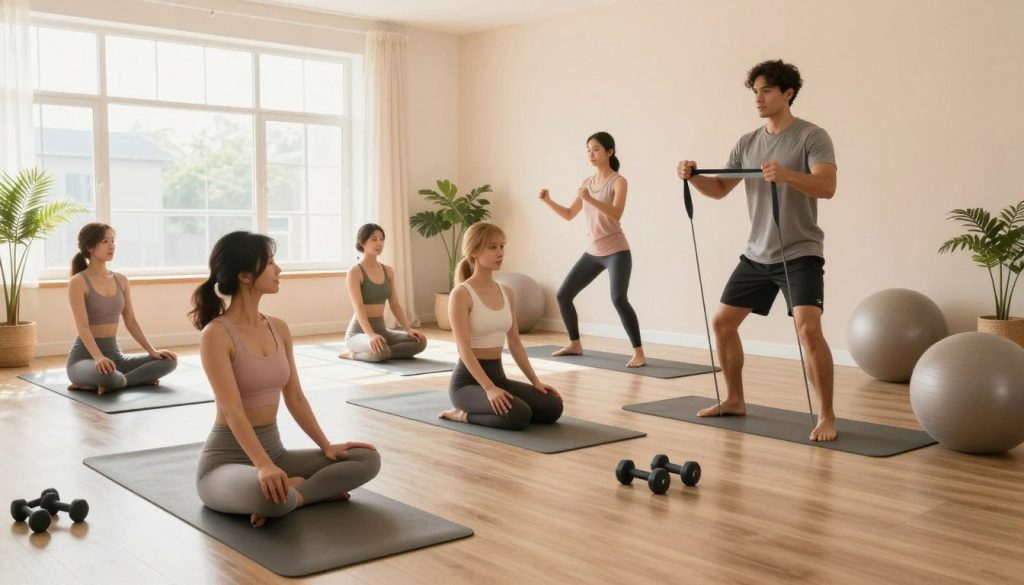
Effective Standing Pilates Routines
Discover how you can achieve total body muscle toning at home using only your own body weight. Standing Pilates offers a unique way to strengthen your entire frame while focusing on core engagement and postural alignment. These routines are highly effective because they allow you to work your muscles without the need for floor space or equipment that puts stress on your joints.
Core Engagement Techniques
The foundation of any successful session lies in your ability to activate your deep abdominal muscles. By maintaining a tall, elongated spine, you create the necessary tension to support your movements. Consistent core activation acts as a natural corset, protecting your lower back during every repetition.
Focus on your breath to deepen this connection. Inhale to prepare, and exhale sharply as you perform the movement to engage your transverse abdominis. This rhythmic breathing pattern ensures that your core remains the powerhouse of every exercise you perform.
Improving Posture and Balance
Integrating these movements into your daily life leads to more efficient movement patterns. When you practice standing Pilates, you naturally train your body to stack your joints correctly. This alignment reduces unnecessary strain on your neck and shoulders, helping you stand taller throughout the day.
Better balance is a natural byproduct of these focused, controlled motions. As you challenge your stability, you strengthen the small stabilizer muscles that are often ignored in traditional workouts. This commitment to muscle toning at home will ultimately provide you with a stronger, more stable core that supports all your other physical activities.
The Power of Low-Impact HIIT
You can achieve incredible cardiovascular results without ever leaving the floor. Many fitness enthusiasts assume that intensity requires explosive jumping, but Low-impact HIIT proves that you can reach your peak heart rate through controlled, deliberate movements. This approach allows you to challenge your metabolic rate while keeping your joints happy and healthy.
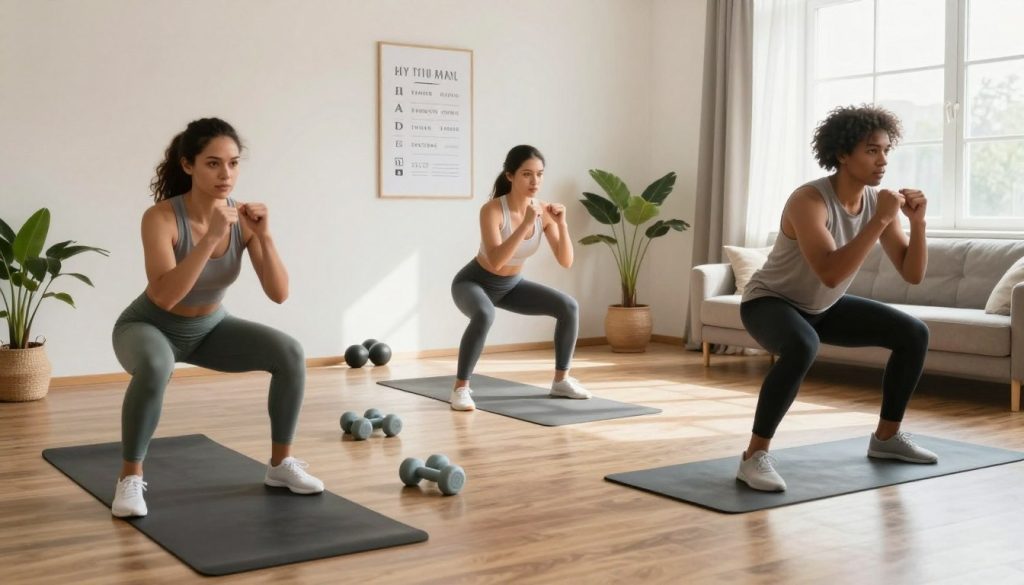
Low-impact HIIT
Structuring Intervals Without Jumping
To build an effective routine, you must focus on the speed of execution rather than the height of your movement. By performing exercises like mountain climbers, standing knee-to-elbow crunches, or rapid-fire squats, you keep your muscles under constant tension. This creates a high-intensity environment that forces your body to work harder to recover.
Consider using a simple timer to manage your work-to-rest ratios. A common structure for safe interval training involves:
- 40 seconds of high-effort, low-impact movement.
- 20 seconds of active recovery, such as marching in place.
- Repeat this cycle for 15 to 20 minutes to maximize your burn.
Maximizing Heart Rate Safely
Pushing your limits safely requires you to listen to your body throughout the session. You should aim to reach a point where you are breathing heavily but can still maintain proper form. If your technique begins to falter, slow down your pace immediately to prevent injury.
Consistency is the secret ingredient to long-term success with this method. By incorporating Low-impact HIIT into your weekly schedule, you build endurance without the wear and tear associated with high-impact sports. Remember that safe interval training is about working smarter, not just harder, to reach your weight loss goals effectively.
Yoga Flows for Fat Burning and Flexibility
Many people overlook the potential of yoga for fat loss and improving overall body composition. While often associated with relaxation, the right intensity can turn your mat into a high-energy training zone. By choosing active styles, you can effectively combine flexibility and weight loss into one seamless routine.
Dynamic Vinyasa Sequences
Dynamic Vinyasa is a style of yoga that links breath with continuous movement. This flow keeps your heart rate elevated, which is essential for burning calories during your home workout. Because you are constantly transitioning between poses, your body stays in a state of active engagement.
You can customize these sequences to match your current fitness level. Focus on moving with intention to ensure your muscles remain active throughout the entire session. This consistent movement is the secret to turning a standard stretch into a powerful fat-burning workout.
Holding Poses for Muscle Endurance
While movement is vital, holding specific poses is equally important for building lean muscle. When you sustain a pose, your muscles must work against gravity to maintain stability. This process builds muscle endurance, which helps your body burn more energy even when you are at rest.
Incorporating static holds into your practice also improves your balance and posture. Over time, this creates a more toned physique and supports your long-term health goals. By balancing fluid motion with steady holds, you create a comprehensive fitness practice that supports your journey toward a healthier you.
Incorporating Resistance Bands for Added Challenge
Resistance band training provides a unique challenge that bodyweight movements alone cannot match. These simple, portable tools allow you to add significant intensity to your routine without needing heavy gym equipment. By using elastic tension, you can safely increase the difficulty of your favorite bodyweight exercises while protecting your joints.
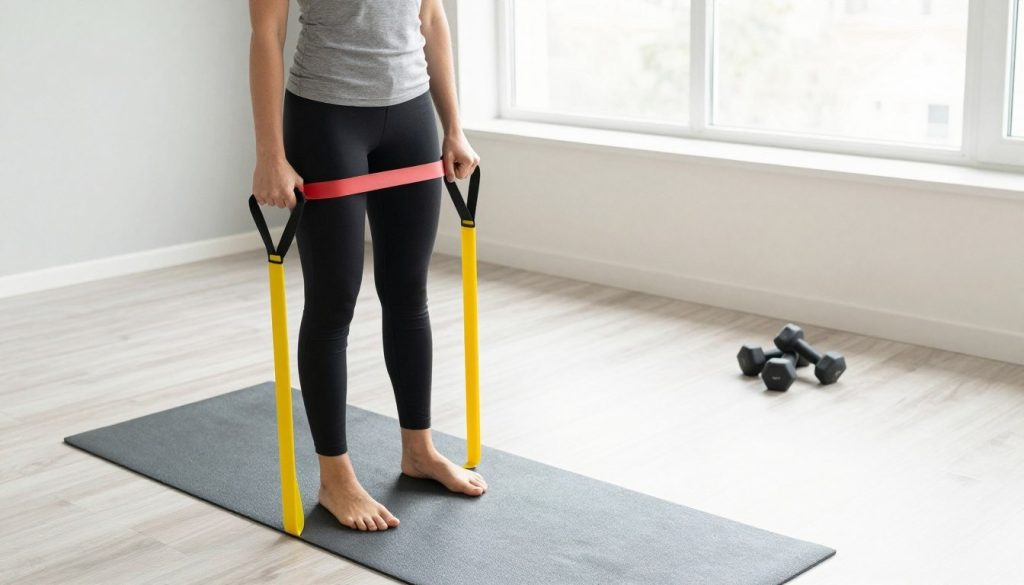
Resistance band training
Full-Body Toning Exercises
You can achieve effective muscle toning at home by performing movements that engage multiple muscle groups simultaneously. Bands provide constant tension throughout the entire range of motion, which forces your muscles to work harder during both the contraction and the release phases. This constant load is excellent for building lean definition and improving overall strength.
Try incorporating compound movements like banded squats with overhead presses or lateral walks. These exercises ensure that your heart rate stays elevated while you focus on controlled, deliberate movements. Consistency is key when using these tools to see visible changes in your physique over time.
Targeting Specific Muscle Groups
To see the best results, you must learn how to isolate specific areas of the body. By adjusting your grip or the anchor point of the band, you can shift the focus to your glutes, shoulders, or core. Selecting the right resistance level is essential to ensure you are constantly progressing toward your fitness goals without overexerting yourself.
Start with a lighter band to master your form before moving to higher resistance levels. This approach helps you maintain proper alignment and prevents injury while you work on muscle toning at home. Use the following guide to select the best band for your specific training needs.
| Band Type | Primary Use | Resistance Level |
| Light Loop | Shoulder Mobility | Low |
| Medium Flat | Upper Body Toning | Moderate |
| Heavy Tube | Leg and Glute Strength | High |
Nutrition Tips to Complement Your Home Workouts
Your home workout routine is only as effective as the fuel you provide your body throughout the day. While exercise burns calories, the food you consume dictates how your body repairs muscle and manages energy levels. Focusing on metabolic health ensures that your system functions efficiently during both activity and rest.
Fueling Your Body for Energy
To sustain your energy, prioritize whole foods that offer a steady release of glucose. Incorporating healthy weight loss nutrition means balancing complex carbohydrates, lean proteins, and beneficial fats in every meal. This combination prevents energy crashes and keeps you feeling satisfied longer.
Try to include fiber-rich vegetables and high-quality protein sources like chicken, tofu, or beans. These nutrients support muscle maintenance while keeping your calorie intake in check. By choosing nutrient-dense options, you provide your cells with the essential vitamins needed for peak performance.
Hydration and Recovery Strategies
Water is the most overlooked component of any fitness plan. Proper hydration supports joint lubrication and helps transport nutrients to your muscles after a session. Implementing effective recovery strategies is just as important as the workout itself to prevent burnout and injury.
Consider the following table to understand how specific nutrients and habits support your body after exercise:
| Category | Primary Benefit | Example Source |
| Protein | Muscle Repair | Greek Yogurt |
| Hydration | Joint Health | Filtered Water |
| Complex Carbs | Energy Restoration | Sweet Potatoes |
| Electrolytes | Fluid Balance | Coconut Water |
Beyond hydration, prioritize quality sleep and active rest days to maximize your results. These recovery strategies allow your body to adapt to the physical stress of your home workouts. When you align your dietary habits with your movement, you create a powerful synergy that accelerates your progress toward a healthier lifestyle.
Tracking Progress and Staying Motivated
Building consistent exercise habits starts with knowing exactly how far you have come. When you transform your living space into a personal gym, it is easy to lose sight of your long-term goals. Implementing a solid home fitness routine requires more than just movement; it requires a clear view of your growth.
Setting Realistic Milestones
The secret to staying motivated at home is breaking down your big goals into bite-sized pieces. Instead of focusing solely on the scale, try setting milestones based on how you feel or how your clothes fit. This approach keeps you encouraged even when the numbers on the scale do not change immediately.
Try to aim for small, weekly wins that build momentum. For example, commit to completing three sessions in a week or increasing your hold time in a plank by five seconds. These small victories provide the positive reinforcement needed to keep showing up for yourself every single day.
Using Digital Tools and Journals
Modern technology offers incredible ways to simplify fitness progress tracking. Many people find success using mobile apps that log workouts, track heart rate, and provide visual charts of their activity levels. These digital companions act as a personal coach right in your pocket.
If you prefer a more tactile experience, a traditional workout journal is a fantastic alternative. Writing down your exercises, sets, and reps by hand can be a meditative practice that reinforces your commitment. Whether you choose a high-tech app or a simple notebook, the act of recording your effort is what truly matters.
- Consistency: Log every session to build a habit.
- Clarity: Use charts to visualize your strength gains.
- Celebration: Reward yourself for hitting monthly targets.
Remember that your journey is unique and personal. By keeping a clear record of your hard work, you will always have proof of your dedication when your motivation dips. Stay focused, keep logging your progress, and celebrate every step forward.
Conclusion
Your path to a healthier lifestyle begins with the simple choices you make inside your own home. Focusing on low-impact routines allows you to build strength while protecting your joints from unnecessary strain.
This approach creates a foundation for sustainable weight loss that fits your unique schedule. You gain confidence by mastering bodyweight movements and consistent habits that last a lifetime.
True progress comes from showing up for yourself every single day. Small wins lead to significant changes in your energy levels and overall well-being. You possess the power to shape your fitness journey using tools like resistance bands or simple yoga flows.
Prioritizing sustainable weight loss ensures that your hard work pays off for years to come. Take the first step today by clearing a small space in your living room. Share your favorite low-impact exercises with our community to inspire others on their own wellness paths.
FAQ
Can I really lose weight with low-impact workouts if I am not jumping or running?
Absolutely! You can achieve significant weight loss by maintaining a steady heart rate through controlled, purposeful movements. Low-impact exercise focuses on consistency over intensity, allowing you to burn calories effectively while minimizing the risk of injury. By engaging in routines like Standing Pilates or power walking, you create a sustainable caloric deficit that leads to long-term results.
How do low-impact routines protect my joints during exercise?
These workouts are specifically designed to eliminate the jarring force associated with high-impact activities. By focusing on proper form and fluid transitions, you protect your knees, hips, and back from overuse injuries. This makes it an ideal choice for beginners or those using tools like a Manduka yoga mat to provide extra cushioning and stability during bodyweight resistance training.
What is the benefit of low-impact HIIT compared to traditional interval training?
Low-impact HIIT allows you to reap the metabolic rewards of High-Intensity Interval Training without the high-stress impact on your skeletal system. By structuring intervals with movements like fast-paced squats or modified mountain climbers, you can safely maximize your heart rate and boost your basal metabolic rate (BMR), helping you burn fat long after your workout is finished.
Do I need expensive equipment to start a home workout routine?
Not at all! You can build an incredibly effective home gym with just a few affordable essentials. We recommend starting with TheraBand resistance bands for full-body toning and a set of light Amazon Basics dumbbells. These versatile tools allow you to add a challenge to your movements and target specific muscle groups without needing bulky machinery.
How does consistency affect my metabolism more than occasional intense sessions?
The science of weight management shows that frequent, consistent movement is more effective at regulating your metabolic health than sporadic bursts of extreme effort. Daily activity helps maintain a higher resting metabolic rate, making it easier for your body to process energy. Small, daily victories in your living room build a foundation for permanent lifestyle changes.
Can yoga actually help with fat burning and muscle endurance?
Yes, especially when practicing dynamic styles like Vinyasa Yoga. By flowing through sequences that keep your body in motion, you increase your cardiovascular demand. Additionally, holding poses for extended periods builds significant muscle endurance and core strength, which improves your overall body composition and flexibility.
What are the best ways to track my progress and stay motivated at home?
Using digital tools like an Apple Watch or the Fitbit app is a fantastic way to visualize your activity levels and set realistic milestones. If you prefer a tactile approach, keeping a fitness journal to log your workouts and how you feel can be highly rewarding. Tracking your journey helps you celebrate small victories and stay committed to your long-term health goals.
How should I adjust my nutrition to complement my new workout habit?
To see the best results, focus on balanced meals that provide sustained energy for your sessions. Prioritize lean proteins, complex carbohydrates, and healthy fats. Don’t forget the importance of hydration and recovery; using tools like a TriggerPoint foam roller and tracking your water intake with MyFitnessPal can significantly enhance your body’s ability to repair and adapt.